
Overview of DSIP
Delta Sleep-Inducing Peptide is a naturally occurring nonapeptide (a chain of nine amino acids) originally isolated in the 1970s from the cerebral venous blood of rabbits. It was named for its observed ability to induce “delta-wave” activity on an EEG, which corresponds to the slow-wave, restorative stage of human sleep.
It is found in small concentrations in various tissues, including the hypothalamus, limbic system, pituitary gland, and human breast milk, suggesting it may play a role in broad homeostatic regulation.
| Feature | Specification |
|---|---|
| Peptide Name | Delta-Sleep-Inducing Peptide (DSIP) |
| Sequence | Trp-Ala-Gly-Gly-Asp-Ala-Ser-Gly-Glu |
| Molecular Formula | C35H48N10O15 |
| Molecular Weight | ~848.98 Da |
| Primary Research Use | Delta-wave sleep induction |
| Storage | Lyophilized: -20°C; Reconstituted: 2–8°C |
All products for research and supplies can be found on Peptronic Labs
Proposed Mechanisms of Action
While it has been the subject of neurobiological research for decades, its precise mechanism of action remains an area of scientific inquiry rather than settled fact. Hypothesized pathways include multifunctional psychophysiological properties besides induction.
- Sleep Architecture: Early research proposed that DSIP might promote deep, restorative sleep by modulating inhibitory pathways, possibly interacting with GABA-A receptors.
- Neuroendocrine Regulation: Researchers have examined DSIP’s potential influence on the hypothalamic-pituitary-adrenal (HPA) axis, which regulates cortisol and stress responses.
- Adrenergic Modulation: Some studies suggest dsip may modulate alpha-1 adrenergic receptors in the pineal gland, potentially impacting the regulation of melatonin and circadian rhythms.
- Analgesic Properties: Limited studies have explored whether DSIP might have an agonistic effect on opioid receptors, leading to early investigations into its use for pain management and substance withdrawal.
Clinical Research History
Research interest peaked between the 1970s and 1990s. When documenting this for your site, it is important to categorize these studies as historical and preliminary:
- Sleep Disorders: Small-scale human trials in the 1980s reported modest improvements in sleep latency and efficiency for some patients with chronic insomnia. However, larger or more standardized clinical follow-ups often yielded inconsistent or “ambiguous” results, leading to a decline in its pursuit as a mainstream pharmacological sleep aid.
- Stress and Withdrawal: dsip studies investigated peptide dsip for its potential to alleviate symptoms of alcohol and opiate withdrawal. While some reported a rapid improvement in clinical symptoms, these findings were based on limited datasets and have not been replicated in modern, large-scale controlled clinical trials.
- Cognitive and Neuroprotective Research: Ongoing interest in neuroscience labs occasionally explores DSIP’s potential role in neuroprotection and cognitive resilience, though this remains strictly at the preclinical (animal or in vitro) level.
DSIP DOSAGE PROTACOL
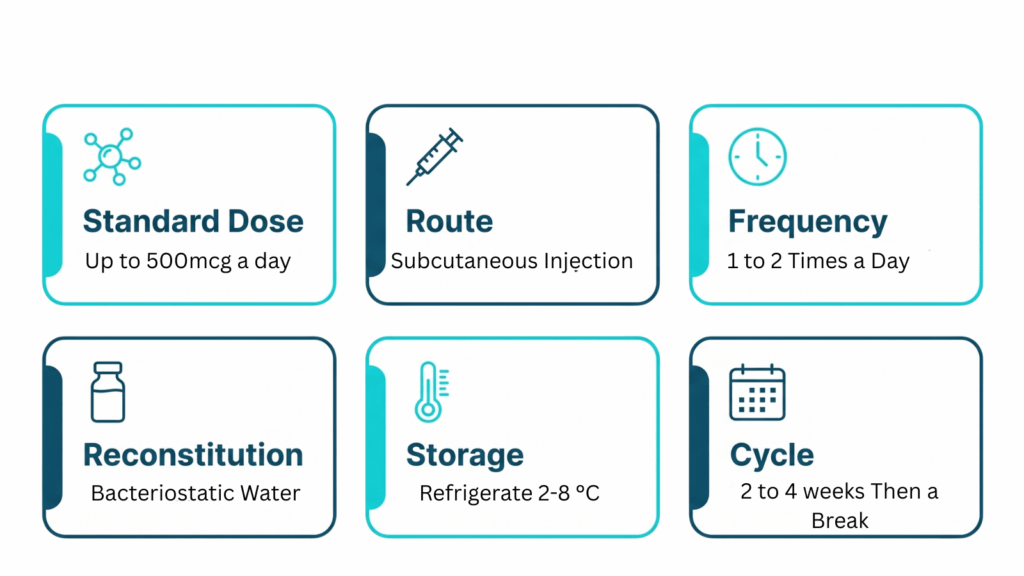
Dosage can vary depending on the purpose of use, individual factors, and the form of administration. However, typical dosages reported in research and anecdotal use range from 100 mcg to 500 mcg, often administered via subcutaneous or intranasal routes.
Common guidelines include injection.
- Starting dose: 100 mcg per administration
- Frequency: 1-2 times per day, often before sleep to promote relaxation and improve sleep quality
- Maximum: Up to 500 mcg per day, divided into multiple doses if necessary
How to Reconstitute Peptides Step by Step
- Clean the rubber stopper of your peptide vial with an alcohol swab and let it dry.
- Using a syringe, draw the calculated amount of bacteriostatic water.
- Insert the needle through the stopper and inject the water slowly down the inside wall of the vial. Do not aim directly at the powder.
- Gently swirl the vial until the powder dissolves completely. Never shake it, as this can degrade the peptide.
- Store the reconstituted vial in your refrigerator (2-8°C). Use within 3 to 4 weeks.
For maximum efficiency please feel free to use our free Peptide Calculator
Frequently Asked Questions
Q: What is the primary function of DSIP in research?
A: DSIP (Delta Sleep-Inducing Peptide) is a naturally occurring neuropeptide studied for its ability to promote delta-wave (restorative) sleep. It is also investigated for its role in modulating the stress response and providing potential neuroprotective benefits.
Q: Does DSIP act like a traditional sedative?
A: No. DSIP is not a sedative; it is a neuromodulator. It is researched for its ability to help regulate the body’s natural sleep-wake cycle and circadian rhythm.
Q: What are the key areas of research?
- Sleep Architecture: Promoting restorative, slow-wave sleep.
- Stress Regulation: Modulating the HPA axis and systemic stress response.
- Neuroprotection: Shielding neurons from oxidative stress.
Q: What are the standard storage requirements?
A: Lyophilized powder should be stored at -20°C. Once reconstituted with bacteriostatic water, it must be kept in a refrigerated environment (2°C to 8°C) and protected from light to maintain peptide integrity.
Sources
| Source | Description | Link |
|---|---|---|
| PubMed | Central database for peer-reviewed literature and studies on DSIP. | View Search |
| PubChem | Chemical compound summary, including structure and molecular data. | View Data |
| DrugBank | Pharmacological details, mechanism of action, and known interactions. | View Profile |
| Wikipedia | General scientific overview and history of the peptide. | View Wiki |
Our Recommended UK Supplier
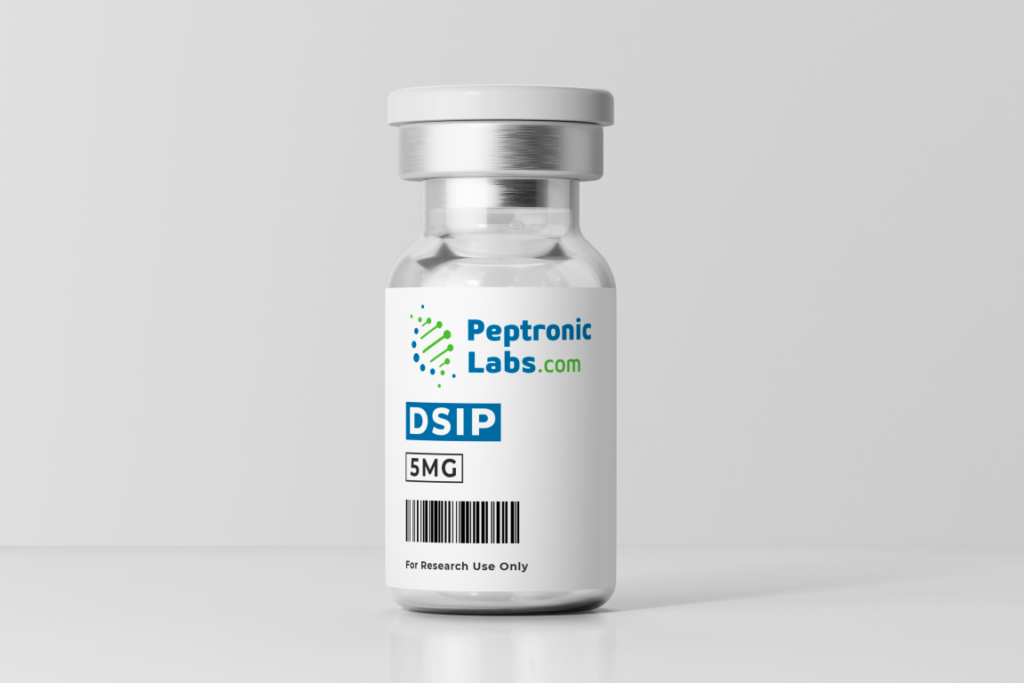
DSIP 5mg is available from Peptronic Labs UK-based, ≥99.0% purity verified by HPLC, Royal Mail Tracked 24. View DSIP
Important Notice: All content on this page is for laboratory research and educational purposes only. Not intended as medical advice or for human consumption
It is essential to maintain a balanced approach to its use and ensure proper understanding of its effects.Klow Research Overview