
Overview
The “Klow Stack” (BPC-157, TB-500, KPV & GHK-Cu)
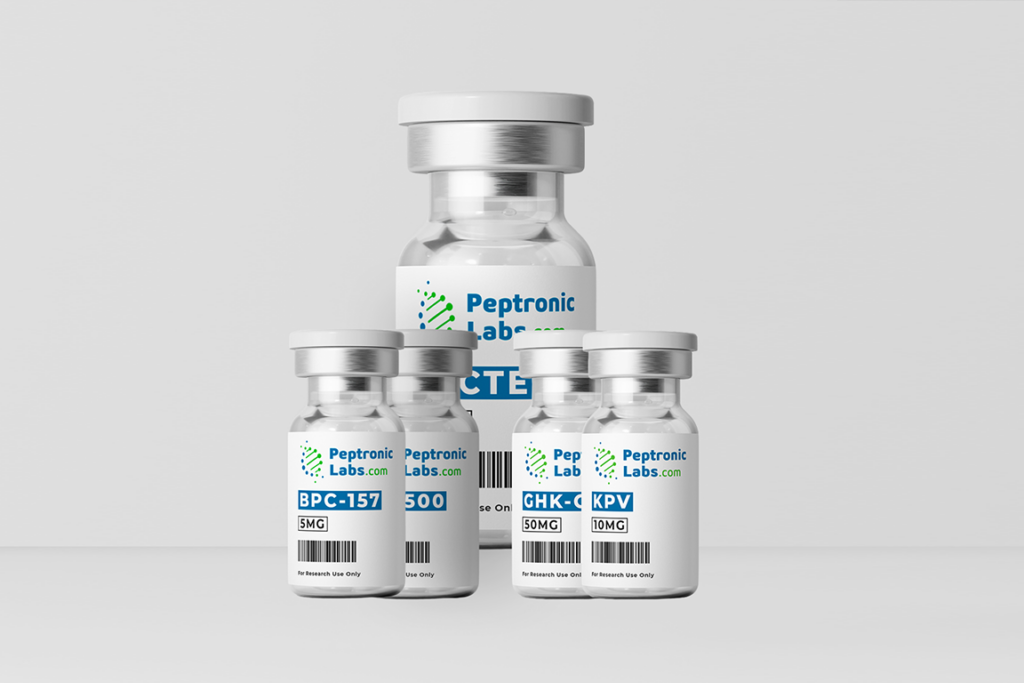
The “Klow Stack” is a term used by researchers and in wellness communities to describe a synergistic formulation of three distinct peptides: BPC-157, TB-500, KPV and GHK-Cu. This combination is frequently investigated for its potential to support tissue repair, dermatological health, and systemic recovery.
The KLOW stack is a “multi-pathway” regenerative formulation. It is engineered to address complex recovery needs by combining four distinct peptides into a single matrix. The acronym “KLOW” serves as a mnemonic for the four core components: KPV, L (a placeholder often used for the BPC/TB500 synergy), O (often associated with optimized delivery), and W (Wait—in research contexts, it is simply the specific name for this 4-peptide blend). Preferred Regen ATL
The Synergy
The rationale behind this stack is to stop relying on single-mechanism agents and instead utilize a synergistic “whole-body” repair protocol:
- BPC-157 & TB-500: Focus on the “Repair Engine.” BPC-157 handles localized tissue and gut integrity, while TB-500 acts as a “logistics coordinator” to ensure cells are mobilized for repair.
- GHK-Cu: The “Anti-Aging Rebuilder,” focusing on extracellular matrix (ECM) remodeling, collagen production, and skin/tissue quality.
- KPV: The “Inflammation Calmer,” which modulates the immune response and reduces pro-inflammatory cytokines, allowing the repair signals from the other three peptides to be more effective.
Technical Specification Table
| Component | Primary Function |
| GHK-Cu | Matrix remodeling, collagen/elastin synthesis. |
| BPC-157 | Angiogenesis, tendon/ligament and gut lining repair. |
| TB-500 | Actin-sequestering, cell migration, scar tissue regulation. |
| KPV | NF-κB pathway inhibition, cytokine modulation. |
The Components
| Peptide | Mechanism of Action | Primary Research Focus |
|---|---|---|
| BPC-157 | A stable gastric pentadecapeptide. | Angiogenesis, tendon/ligament repair, inflammation modulation, and gut health. |
| TB-500 | A synthetic fragment of Thymosin Beta-4. | Cell migration, actin polymerization, tissue regeneration, and anti-inflammatory pathways. |
| GHK-Cu | A copper-binding tripeptide. | Collagen/elastin synthesis, skin elasticity, wound healing, and gene regulation for repair. |
| KPV | A Lys-Pro-Val tripeptide derived from α-MSH that inhibits NF-κB activation. | Anti-inflammatory activity, cytokine modulation, wound healing, and gut barrier function. |
Theoretical Synergy: The KLOW Stack
The rationale behind stacking these four compounds is to create a comprehensive, multi-pathway approach to cellular and structural regeneration:
- Structural Repair: BPC-157 and TB-500 are studied for their complementary effects on musculoskeletal injuries. BPC-157 focuses on site-specific angiogenesis and repair of tendons and ligaments, while TB-500 acts as a systemic “logistics manager,” promoting cell migration and actin polymerization to mobilize repair resources to the site of injury. Preferred Regen ATL+ 1
- Dermatological & Matrix Support: GHK-Cu is the primary focus for extracellular matrix remodeling, including collagen and elastin stimulation. When combined with the structural repair agents, this addresses both the integrity of deep connective tissues and the aesthetic quality and elasticity of the dermis. Preferred Regen ATL
- Targeted Inflammatory Modulation: While the other peptides modulate inflammation as a secondary effect, KPV is specifically researched for its ability to target the root of inflammatory gene expression. By potently inhibiting the NF-κB signaling pathway—a master regulator of pro-inflammatory cytokines like TNF-α and IL-6—KPV acts as a precision “off-switch” for the inflammatory cascade. Meto health
- The Combined Effect: This stack theoretically addresses the entire lifecycle of an injury or stress event: BPC-157 and TB-500 rebuild the damaged infrastructure, GHK-Cu remodels the surrounding matrix, and KPV prevents the chronic inflammatory environment that often stalls recovery or contributes to scar tissue formation. Preferred Regen ATL
This video provides a detailed breakdown of how BPC-157, TB-500, GHK-Cu, and KPV work in concert to address injuries, chronic inflammation, and gut dysfunction.
GHK-cu
Subcutaneous dosage of GHK-Cu (Copper Peptide) commonly ranges from 1 mg to 5 mg per injection, depending on the purpose and individual response. Typical protocols often use around 2 mg per injection, administered 2-3 times per week. It is essential to follow specific guidance from a healthcare professional or protocol provider, as dosages can vary based on formulation concentration, treatment goals, and patient factors. Always ensure sterile technique and proper dilution if required.
| Technical Specifications: GHK-Cu | |
|---|---|
| Peptide Name | GHK-Cu (Copper Tripeptide-1) |
| CAS Number | 49557-75-7 |
| Sequence | Gly-His-Lys-Cu |
| Molecular Formula | C14H22CuN6O4 |
| Molecular Weight | ~403.9 g/mol |
BPC-157
BPC 157 (Body Protection Compound 157) is a peptide commonly used for its potential healing properties. While clinical research is still ongoing, typical dosage recommendations based on available studies and anecdotal reports are as follows:
- Common Dosage Range:
- Oral or Subcutaneous Injection: 200 mcg to 500 mcg per day
- Divided into 1-2 doses daily
- Administration Methods:
- Subcutaneous injection near the injury site is often preferred for targeted effects.
- Oral capsules or sprays are used for general systemic benefits.
- Duration:
- Typical treatment duration ranges from 2 to 4 weeks.
- Some users extend use based on response and tolerance.
- Safety:
- BPC 157 is generally well-tolerated with minimal reported side effects.
- Consult a healthcare professional before starting any peptide therapy.
| Technical Specifications: BPC-157 | |
|---|---|
| Peptide Name | BPC-157 (Body Protection Compound) |
| CAS Number | 137525-51-0 |
| Sequence | Gly-Glu-Pro-Pro-Pro-Gly-Lys-Pro-Ala-Asp-Asp-Ala-Gly-Leu-Val |
| Molecular Formula | C62H98N16O22 |
| Molecular Weight | ~1419.5 g/mol |
TB-500
TB-500 (Thymosin Beta-4) dosage can vary depending on the purpose of use, individual factors, and the guidance of a healthcare professional. However, common protocols observed in research and anecdotal reports include:
Loading Phase:
- Dosage: 2 mg to 5 mg
- Frequency: Twice per week
- Duration: 3 to 4 weeks
Administration:
- TB-500 is typically administered via subcutaneous or intramuscular injection.
- It is often reconstituted with bacteriostatic water.
For maximum efficiency please feel free to use our free Peptide Calculator
| Technical Specifications: TB-500 | |
|---|---|
| Peptide Name | Thymosin Beta-4 (TB-500) |
| CAS Number | 77591-33-4 |
| Amino Acid Sequence | Ac-Ser-Asp-Lys-Pro-Asp-Met-Ala-Glu-Ile-Glu-Lys-Phe-Asp-Lys-Ser-Lys-Leu-Lys-Lys-Thr-Glu-Thr-Gln-Glu-Lys-Asn-Pro-Leu-Pro-Ser-Lys-Glu-Thr-Ile-Glu-Gln-Glu-Lys-Gln-Ala-Gly-Glu-Ser |
| Molecular Formula | C212H350N56O78S |
| Molecular Weight | ~4963.5 g/mol |
KPV
KPV (Lys-Pro-Val) dosage varies depending on the research application, the specific inflammatory condition being studied, and the route of administration. As KPV is an investigational research compound, there is no standardized human dosage.
However, common protocols observed in laboratory research and clinical studies often include:
Administration Guidelines:
- Injectable Dosage (Subcutaneous): 0.5 mg to 2 mg per administration.
- Oral Dosage: 1 mg to 5 mg daily. Some practitioner-led protocols for gut health have utilized 0.5 mg twice daily (BID).
- Frequency: Varies based on the study model, ranging from once-daily to twice-daily administration.
- Duration: Often administered in cycles (e.g., up to 30 days) followed by a rest period.
| Technical Specifications: KPV | |
|---|---|
| Peptide Name | KPV (Lys-Pro-Val) |
| CAS Number | 67727-97-3 |
| Amino Acid Sequence | Lys-Pro-Val |
| Molecular Formula | C16H30N4O4 |
| Molecular Weight | ~342.43 g/mol |
How to Reconstitute Peptides Step by Step
- Clean the rubber stopper of your peptide vial with an alcohol swab and let it dry.
- Using a syringe, draw the calculated amount of bacteriostatic water.
- Insert the needle through the stopper and inject the water slowly down the inside wall of the vial. Do not aim directly at the powder.
- Gently swirl the vial until the powder dissolves completely. Never shake it, as this can degrade the peptide.
- Store the reconstituted vial in your refrigerator (2-8 °C). Use within 3 to 4 weeks.
Frequently Asked Questions
Q: What exactly is the KLOW stack?
A: The KLOW stack is a multi-pathway regenerative formulation combining four distinct peptides: KPV, GHK-CL (or GHK-Cu), BPC-157, and TB-500. It is designed to provide a comprehensive approach to tissue repair and systemic inflammation management in research models.
Q: Why stack these specific peptides?
A: This stack is based on the theory of synergy. BPC-157 and TB-500 provide structural repair and cell migration, GHK-Cu handles extracellular matrix remodeling, and KPV serves as the “precision regulator” to shut down the inflammatory NF-κB pathways that can otherwise stall the healing process.
Q: Are these peptides typically administered together in one injection?
A: Research protocols vary. While some studies investigate compounded blends, many researchers prefer to administer these peptides according to their specific individual half-lives and optimal routes (e.g., subcutaneous vs. topical) to maximize efficacy.
Q: How does this differ from standard repair protocols?
A: Standard protocols often focus solely on the “repair” aspect (using BPC-157 or TB-500). The KLOW stack is unique because it adds a heavy focus on anti-inflammatory modulation (via KPV) and collagen remodeling (via GHK-Cu), creating a more holistic environment for tissue recovery.
Q: Is there a specific protocol for the KLOW stack?
A: There is no “official” protocol, as these are investigational research compounds. Protocols are designed by researchers based on the specific injury or tissue stress model being studied. Always refer to the individual compound guidelines and utilize a peptide calculator to ensure accurate dosing for your specific study design.
Sources
| Component | Resource | Link |
|---|---|---|
| KPV | PubMed Research | View Studies |
| GHK-Cu | PubMed Research | View Studies |
| BPC-157 | PubMed Research | View Studies |
| TB-500 | PubMed Research | View Studies |
Our Recommended UK Supplier
KLOW Stack is available from Peptronic Labs UK-based, ≥99.0% purity verified by HPLC, Royal Mail Tracked 24 View KLOW