
MELANOTAN II
Melanotan II is a synthetic analog of the naturally occurring peptide hormone α-melanocyte-stimulating hormone (α-MSH). It was originally researched for its potential to stimulate melanogenesis (the production of melanin) to induce skin tanning and for its secondary effects on sexual function. It is structurally related to Melanotan I (afamelanotide), though it functions as a non-selective agonist.
All products for research and supplies can be found on Peptronic Labs
| Peptide | Sequence | Formula | Molecular Weight |
|---|---|---|---|
| Melanotan II (MT-2) | Ac-Nle-cyclo[Asp-His-D-Phe-Arg-Trp-Lys]-NH2 | C50H69N15O9 | ~1024.2 g/mol |
Mechanism of Action
Unlike endogenous hormones that act specifically, melanotan 2 is a potent, non-selective agonist that binds to multiple melanocortin receptors (MC1, MC3, MC4, and MC5). This lack of selectivity is believed to contribute to its wide range of systemic effects:
- Melanogenesis (MC1 Receptor): By activating the MC1 receptor in melanocytes, MT-2 increases the production of eumelanin, which leads to skin pigmentation or “tanning” without UV exposure.
- Sexual Stimulation (MC4 Receptor): The MC4 receptor is involved in central nervous system pathways related to sexual arousal. MT-2’s binding to this receptor has historically been associated with spontaneous penile erections and increased sexual desire in both men and women.
- Appetite and Systemic Effects: Activation of the MC4 receptor is also linked to appetite suppression and potential effects on energy homeostasis, as well as several noted adverse cardiovascular and neurological responses.
Clinical History and Regulatory Status
While Melanotan II was the subject of early research in the 1980s and 1990s, its development as a therapeutic agent was largely abandoned in favor of more selective analogs:
- Not FDA Approved: MT-2 is not approved by the FDA or any other major regulatory health agency for any medical use. The FDA has issued multiple warning letters to companies illegally marketing it, emphasizing that it is an unapproved new drug and its sale violates federal law.
- Prohibited Status: Because of its potential for systemic toxicity and lack of safety data, it is illegal to market or sell MT-2 for human consumption in most jurisdictions, including the U.S., UK, and throughout the EU.
- Research Chemical Classification: Like other peptides, it is widely distributed online as a “research chemical.” These products do not undergo standardized clinical manufacturing processes and carry high risks of contamination, inaccurate dosing, and unknown purity levels.
Notable Health Risks and Side Effects
Research literature and clinical case reports highlight significant safety concerns regarding the use of MT-2, which is frequently sold in unregulated injectable or nasal spray forms.
- Dermatological Changes: Use has been linked to the darkening of existing moles, the emergence of new moles, and atypical melanocytic nevi. There are ongoing concerns regarding the potential for MT-2 to influence the progression of melanoma, as the drug stimulates melanin production in both healthy and potentially cancerous skin cells.
- Cardiovascular and Systemic Toxicity: Reported side effects include hypertension, facial flushing, nausea, vomiting, and appetite suppression. More severe cases in medical literature have documented incidents of rhabdomyolysis (muscle cell breakdown) and renal (kidney) infarction.
- Priapism: A commonly reported side effect is spontaneous, prolonged, and painful erections (priapism), which can lead to permanent tissue damage if not treated immediately.
- Infection Risk: When administered via DIY or “research” supply chains, the lack of sterile manufacturing, combined with improper injection techniques, increases the risk of blood-borne infections and localized tissue damage.
Summary for Research Context
Melanotan II serves as a cautionary example in pharmacology. While it demonstrates potent biological activity at melanocortin receptors, the lack of receptor selectivity leads to unpredictable and often serious systemic side effects. For a research page, it is vital to emphasize that MT-2 is neither a safe nor a regulated substance for human use and that its application outside of rigorous, controlled clinical environments is associated with high health risks.
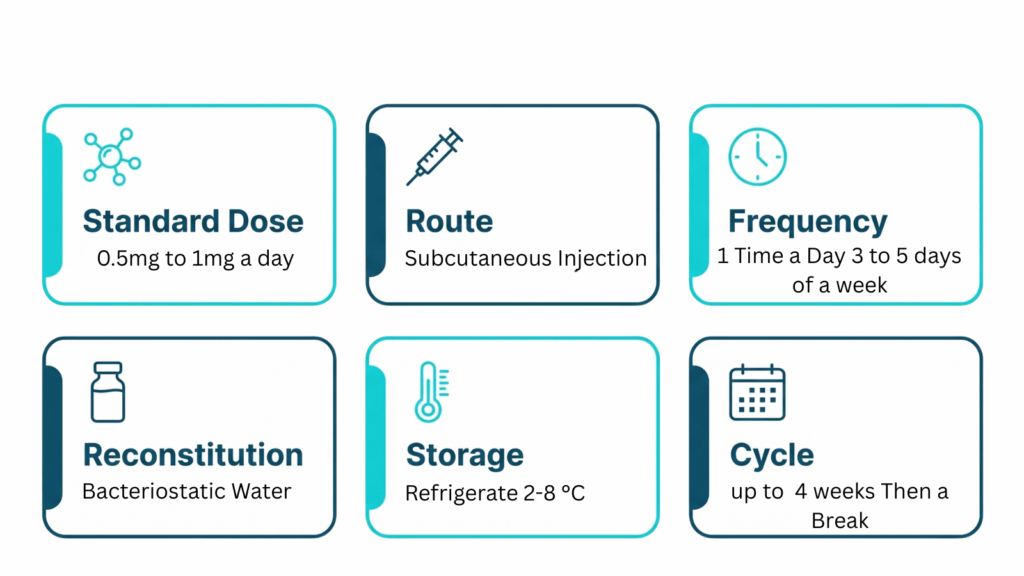
MT-2 (Melanotan II) Dosage Guidelines:
- Starting Dose: 0.25 mg to 0.5 mg per injection
- Titration: Gradually increase by 0.25 mg every few days based on skin response and side effects
- Typical Effective Dose: 0.5 mg to 1 mg per injection
- Frequency: Usually injected 3 to 4 times per week
- Maximum Dose: Do not exceed 1 mg per injection to minimize side effects
- Injection Method: Subcutaneous injection is recommended
For maximum efficiency please feel free to use our free Peptide Calculator
How to Reconstitute Peptides Step by Step
- Clean the rubber stopper of your peptide vial with an alcohol swab and let it dry.
- Using a syringe, draw the calculated amount of bacteriostatic water.
- Insert the needle through the stopper and inject the water slowly down the inside wall of the vial. Do not aim directly at the powder.
- Gently swirl the vial until the powder dissolves completely. Never shake it, as this can degrade the peptide.
- Store the reconstituted vial in your refrigerator (2-8 °C). Use within 3 to 4 weeks.
Important Notes:
- Always start with a lower dose to assess tolerance.
- Avoid excessive sun exposure while using MT-2.
- Consult a healthcare professional before starting MT-2.
- Keep MT-2 refrigerated and protect from light.
Frequently Asked Questions
Q: What is the primary research focus of Melanotan II (MT-2)?
A: MT-2 is primarily studied for its role as a potent agonist of melanocortin receptors. Research investigates its influence on melanogenesis (pigmentation) and its interactions with the central nervous system, specifically regarding receptors involved in appetite, sexual function, and energy homeostasis.
Q: How does MT-2 differ from the parent hormone α-MSH?
A: While α-MSH is a naturally occurring hormone, it has a very short half-life in the body. MT-2 is a cyclic heptapeptide analog designed to be significantly more potent and resistant to enzymatic degradation, allowing for sustained effects on the melanocortin receptors in research models.
Q: What are the key receptors targeted by MT-2?
A: MT-2 acts as a non-selective agonist, binding to multiple melanocortin receptors:
- MC1R: Activation of melanocytes and pigmentation.
- MC4R: Research into sexual function and metabolic regulation.
Q: What are the standard storage requirements for MT-2?
A: Lyophilized powder should be stored in a freezer at -20°C for long-term stability. Once reconstituted with bacteriostatic water, it must be kept in a refrigerator (2°C–8°C) and stored in an amber vial or dark place to prevent UV-light degradation.
- Lyophilized Powder: Store in a freezer at -20°C for long-term stability.
- Reconstituted Solution: Once reconstituted with bacteriostatic water, it should be kept in a refrigerator (2°C–8°C) and used within the timeframe specified by your study protocol.
- Protection: Always store in an amber vial or dark place to prevent UV-light degradation.
| Resource | Description | Link |
|---|---|---|
| PubMed | Peer-reviewed studies on melanocortin receptor agonists. | View Studies |
| PubChem | Molecular structure and chemical database. | View Data |
| ClinicalTrials.gov | Historical trial data and study records. | View Trials |
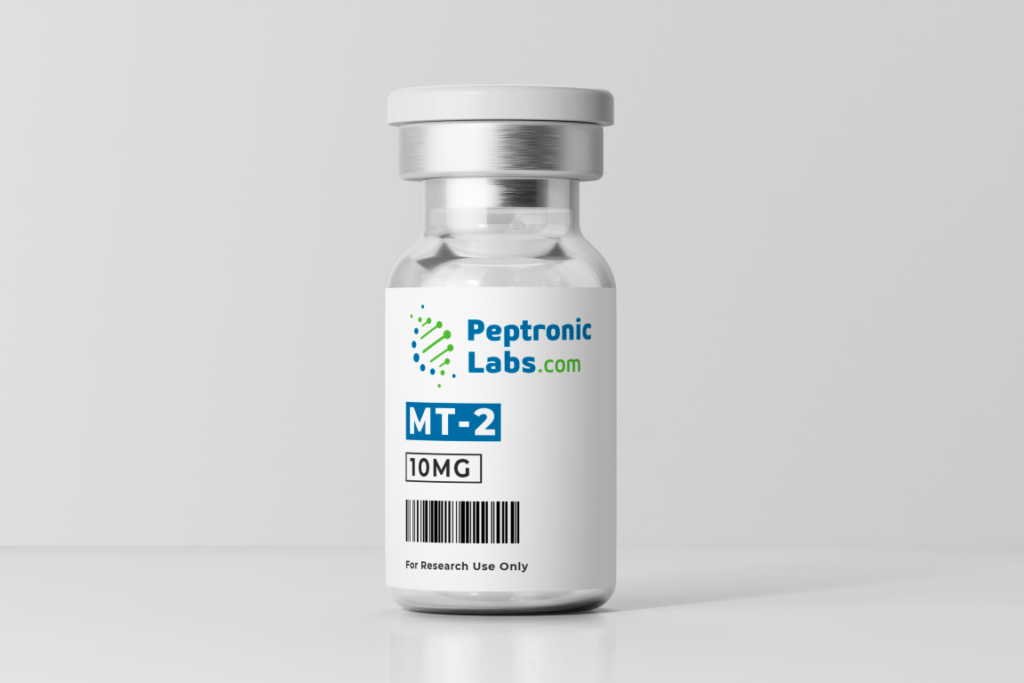
MT-2 is available from Peptronic Labs UK-based, ≥99.0% purity verified by HPLC, Royal Mail Tracked 24. View MT-2