
Introduction to Tesamorelin
In recent years, Tesamorelin has become a focal point in discussions surrounding growth hormone therapies. This article provides a comprehensive overview, exploring its mechanisms, benefits, medical applications, and the controversies that accompany its use. Whether you are a healthcare professional, a patient considering therapy, or simply someone interested in emerging medical treatments, this article aims to furnish you with essential knowledge.
What is it?
Tesamorelin is a synthetic peptide that mimics the action of natural growth hormone-releasing hormone (GHRH). It is designed to stimulate the pituitary gland’s secretion of growth hormone, which plays a critical role in various bodily functions, including metabolism, muscle growth, and fat distribution. Initially developed as a treatment for HIV-associated lipodystrophy, Tesamorelin has garnered attention for its potential benefits beyond this specific indication.
As a medication, it is administered via subcutaneous injection and is typically prescribed for patients with lipodystrophy who exhibit abnormal fat distribution. Its ability to promote growth hormone release makes it an intriguing option for various therapeutic applications, leading to ongoing research in both clinical and non-clinical settings.
History and Development
The development of Tesamorelin began in the early 2000s as scientists sought to create effective treatments for patients suffering from body composition changes due to HIV. In 2010, the U.S. Food and Drug Administration (FDA) approved Tesamorelin under the brand name Egrifta, marking a significant milestone in the management of HIV-associated lipodystrophy. This approval was supported by clinical trials demonstrating the peptide’s efficacy in reducing visceral fat in patients, which is often linked to metabolic disorders.
Since its approval, researchers have continued to explore the broader implications, including potential applications in age-related conditions, obesity, and other metabolic syndromes. The evolving understanding of its mechanisms and effects has sparked interest across multiple fields, though it remains primarily indicated for use in HIV-related conditions.
Understanding Growth Hormone-Releasing Hormone
The Role of Growth Hormone in the Body
Growth hormone (GH) is a vital hormone produced by the pituitary gland, playing a crucial role in growth, body composition, metabolism, and overall health. It influences the growth of tissues and bones, promotes protein synthesis, and aids in the regulation of fat metabolism. GH levels peak during childhood and adolescence, supporting growth and development, but gradually decline with age, leading to various metabolic changes.
The decline in growth hormone levels has been linked to several age-related conditions, including increased body fat, decreased muscle mass, and reduced energy levels. Understanding the importance of GH has driven interest in therapies that can enhance its secretion, particularly in populations affected by GH deficiency or those seeking to optimize body composition.
How Tesamorelin Works to Release Growth Hormone
Tesamorelin functions by binding to GHRH receptors in the pituitary gland, stimulating the release of growth hormone. This mechanism mimics the natural signaling process that occurs in the body, promoting the pulsatile secretion of GH, which is essential for effective metabolic functions. The release of GH subsequently stimulates the liver and other tissues to produce insulin-like growth factor 1 (IGF-1), a hormone that mediates many of GH’s effects on growth and metabolism.
By increasing GH and IGF-1 levels, Tesamorelin has been shown to improve body composition, reduce visceral fat, and enhance energy levels in patients with specific medical conditions. The focused action on fat tissue has made it a valuable treatment option for addressing metabolic disorders, especially in populations with altered fat distribution.
Beyond weight loss, it has been shown to improve overall body composition. Enhanced growth hormone levels lead to increased lean muscle mass and reduced fat mass, promoting a more aesthetically pleasing and healthier body structure.
Weight Management and Fat Loss
One of the most significant benefits of Tesamorelin is its impact on weight management and fat loss. Clinical studies have demonstrated that the peptide effectively reduces visceral fat, which is particularly harmful and associated with various metabolic diseases, including diabetes and cardiovascular conditions. By promoting fat breakdown and enhancing metabolism, Tesamorelin can help patients achieve healthier body compositions.
In patients with HIV-associated lipodystrophy, the reduction of visceral fat not only improves aesthetic appearance but also decreases the risk of metabolic complications, ultimately leading to enhanced quality of life. The fat loss observed with Tesamorelin treatment highlights its potential as a therapeutic option for individuals struggling with obesity or abnormal fat distribution.
Improvement of Body Composition
Beyond weight loss, Tesamorelin has been shown to improve overall body composition. Enhanced growth hormone levels lead to increased lean muscle mass and reduced fat mass, promoting a more aesthetically pleasing and healthier body structure. For individuals with HIV or those experiencing age-related declines in muscle mass, Tesamorelin can play a crucial role in restoring balance.
Studies have indicated that Tesamorelin treatment can significantly increase muscle mass and strength, which is particularly beneficial for elderly patients or those undergoing treatments that may lead to muscle wasting. The ability to enhance muscle development and reduce body fat makes Tesamorelin an attractive option for various patient populations seeking to optimize their health and physical condition. Sometimes used with HGH 171-196
Potential Anti-Aging Effects
While primarily indicated for specific medical conditions, the anti-aging implications of Tesamorelin have sparked interest in broader applications. As growth hormone levels decline with age, many individuals experience symptoms such as decreased energy, increased body fat, and reduced muscle mass. Tesamorelin’s ability to stimulate growth hormone release may counteract some of these effects, leading to potential improvements in energy levels, mood, and overall vitality.
Research into the potential anti-aging effects of Tesamorelin is ongoing, with preliminary studies suggesting that it may help mitigate age-related physiological declines. However, it is essential to approach these findings cautiously, as further research is needed to fully understand the long-term effects and safety of using Tesamorelin for anti-aging purposes.
Medical Uses and Indications
FDA Approval and Indications
As mentioned earlier, Tesamorelin received FDA approval in 2010 for the treatment of HIV-associated lipodystrophy. This approval was based on substantial clinical evidence demonstrating the peptide’s effectiveness in reducing visceral fat in affected patients. The FDA’s endorsement has made Tesamorelin a standard treatment option for individuals experiencing fat redistribution due to HIV medications, providing them with a therapeutic avenue to address metabolic complications.
While its primary indication is well-established, the ongoing research into Tesamorelin’s broader medical applications has opened discussions regarding its potential use in other populations. Physicians are increasingly exploring the implications of Tesamorelin in managing obesity, metabolic disorders, and even age-related declines in growth hormone levels.
Clinical Studies and Evidence
Numerous clinical studies have investigated the effects of Tesamorelin on body composition, metabolic health, and quality of life. One significant study published in 2011 demonstrated that Tesamorelin treatment led to a significant reduction in visceral fat compared to placebo, alongside improvements in metabolic parameters such as insulin sensitivity and lipid profiles.
Further research has focused on understanding the long-term implications and potential side effects of Tesamorelin use, providing healthcare providers with the necessary information to make informed treatment decisions. While the evidence supports its efficacy in specific settings, continued investigation is essential to establish the peptide’s safety and effectiveness across broader patient populations.
Controversies and Considerations
Potential Side Effects
As with any pharmaceutical treatment, the use of Tesamorelin carries potential side effects. Commonly reported adverse effects include injection site reactions, headache, and gastrointestinal disturbances. In some cases, patients may experience elevated blood glucose levels or changes in insulin sensitivity, raising concerns for individuals with pre-existing metabolic conditions.
It is crucial for healthcare providers to monitor patients closely during Tesamorelin therapy, assessing for any adverse effects that may arise. While many individuals tolerate the medication well, understanding the potential risks is essential for making informed decisions about its use.
Ethical Considerations in Use
The growing interest in Tesamorelin for non-approved indications, such as anti-aging and athletic performance enhancement, has raised ethical questions. The use of growth hormone therapies in healthy individuals, particularly for aesthetic and performance purposes, poses ethical dilemmas regarding fairness, health risks, and the potential for misuse.
Healthcare professionals must navigate these ethical considerations carefully, ensuring that they prioritize patient safety and wellbeing. As the lines blur between therapeutic and non-therapeutic use, ongoing discussions in the medical community will be essential to establish appropriate guidelines for Tesamorelin’s application in various contexts.
Take Our Comprehensive Quiz
Quiz Instructions
To help solidify your understanding of Tesamorelin and its applications, we invite you to take our comprehensive quiz. This quiz is designed to assess your knowledge and provide insights into areas where further learning may be beneficial. Each question is carefully crafted to enhance your understanding of Tesamorelin and its relevance in clinical practice.
Results and Interpretation

Improving Your Knowledge on Tesamorelin
If your quiz results indicate gaps in understanding, consider revisiting the previous sections of this article. Additionally, engaging with further educational resources, attending seminars, or consulting with healthcare professionals can provide deeper insights into Tesamorelin’s applications and implications. Continuous learning is essential in the ever-evolving field of medicine, particularly as new research emerges.
Conclusion
Summary of Key Points
It is a synthetic peptide that has proven effective in treating HIV-associated lipodystrophy by stimulating growth hormone release. Its ability to reduce visceral fat and improve body composition has garnered significant interest. While the FDA-approved indications are well-established, ongoing research continues to explore broader applications and implications.
Encouragement to Further Explore the Topic
As the understanding of Tesamorelin evolves, it is crucial for healthcare providers, patients, and interested individuals to stay informed about its applications, benefits, and risks. Continued exploration of this peptide can lead to valuable insights and improved health outcomes for diverse populations. The journey of understanding Tesamorelin is ongoing, and the potential it holds for various therapeutic uses warrants further investigation.
Our Recommended UK Supplier
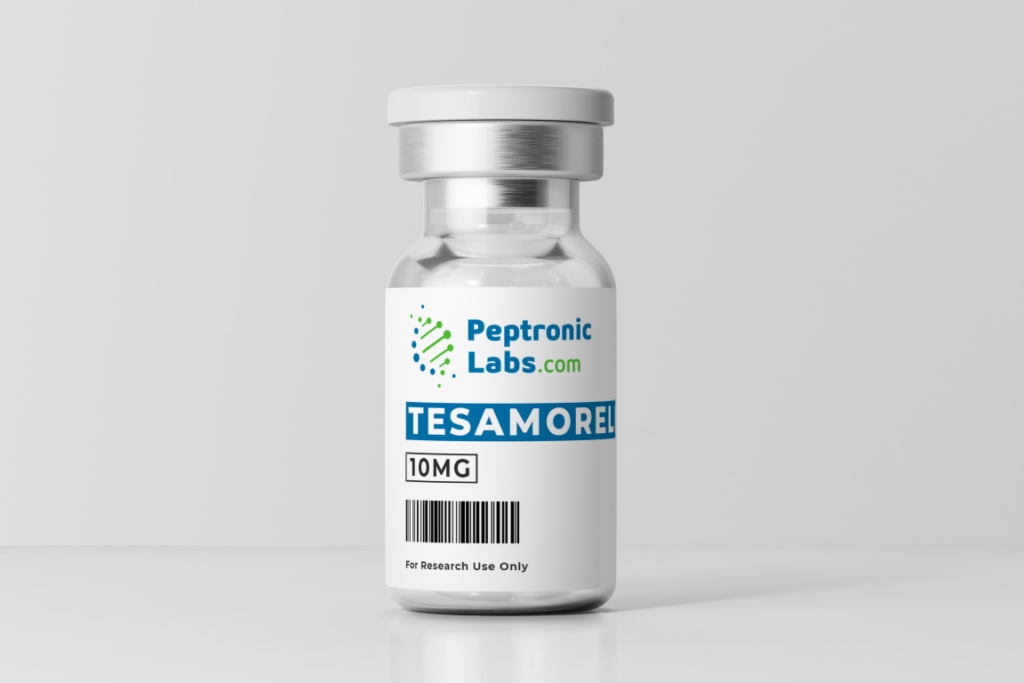
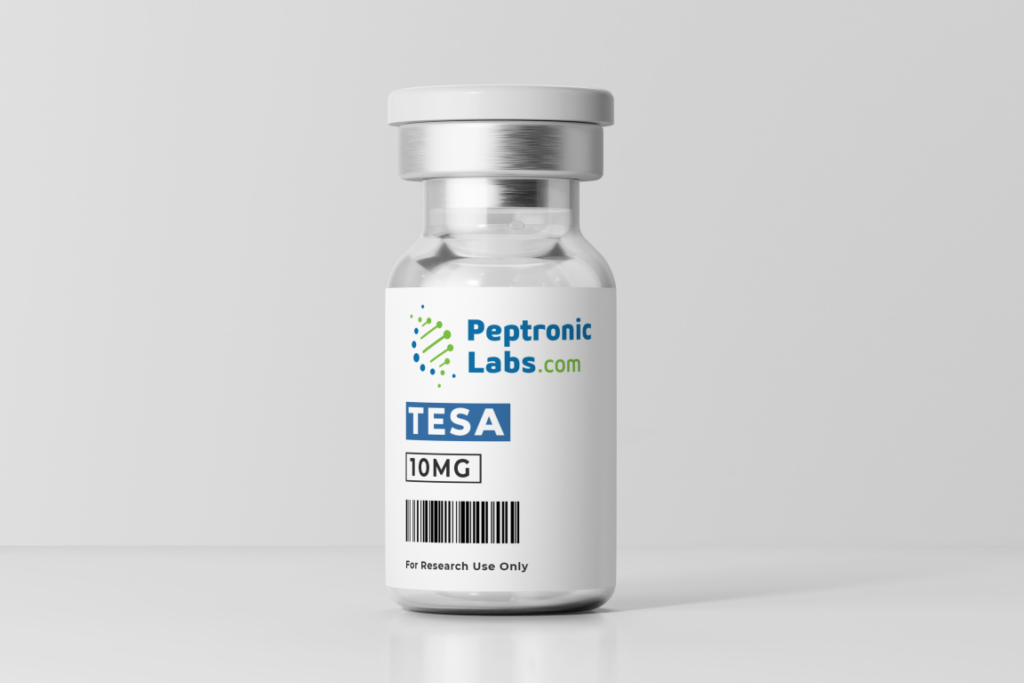
Tesamorelin is available from Peptronic Labs UK-based, ≥99.0% purity verified by HPLC, Royal Mail Tracked 24. View Tesamorelin
Tesamorelin is available from Peptronic Labs UK-based, ≥99.0% purity verified by HPLC, Royal Mail Tracked 24. View Tesamorelin