
Introduction to Peptides

Peptides are short chains of amino acids linked by peptide bonds, which are the building blocks of proteins and play essential roles in a variety of physiological processes in the body. Understanding them is crucial for fitness enthusiasts, as they have become increasingly recognised for their potential benefits in muscle growth, recovery, and overall health. In this article, we will delve into the various types, their functions, and how they can be integrated into a fitness regimen.
Definition of Peptides
A peptide consists of two or more amino acids bonded together. While proteins are made up of long chains of amino acids, these shorter chains typically contain anywhere from two to fifty amino acids. The specific sequence and structure of these amino acids determine a peptide’s unique function in the body. They can be naturally occurring or synthetically produced for therapeutic or performance-enhancing purposes.
Types of Peptides
These can be classified into several categories based on their functions and structures. Some common types include:
- Signaling Peptides: These peptides facilitate communication between cells and are involved in hormone regulation.
- Transport Peptides: These assist in transporting substances across cell membranes.
- Bioactive Peptides: Found in food sources, they offer health benefits such as antioxidant and anti-inflammatory properties.
Importance of Peptides in Fitness and Health
They play a vital role in fitness by influencing muscle growth, fat loss, and recovery. They can help facilitate quicker healing after strenuous exercise, improve muscle synthesis, and enhance overall performance. As such, understanding their role in fitness can provide significant advantages for those looking to optimise their training and health.
The Role of Peptides in the Body
Peptides and Muscle Growth
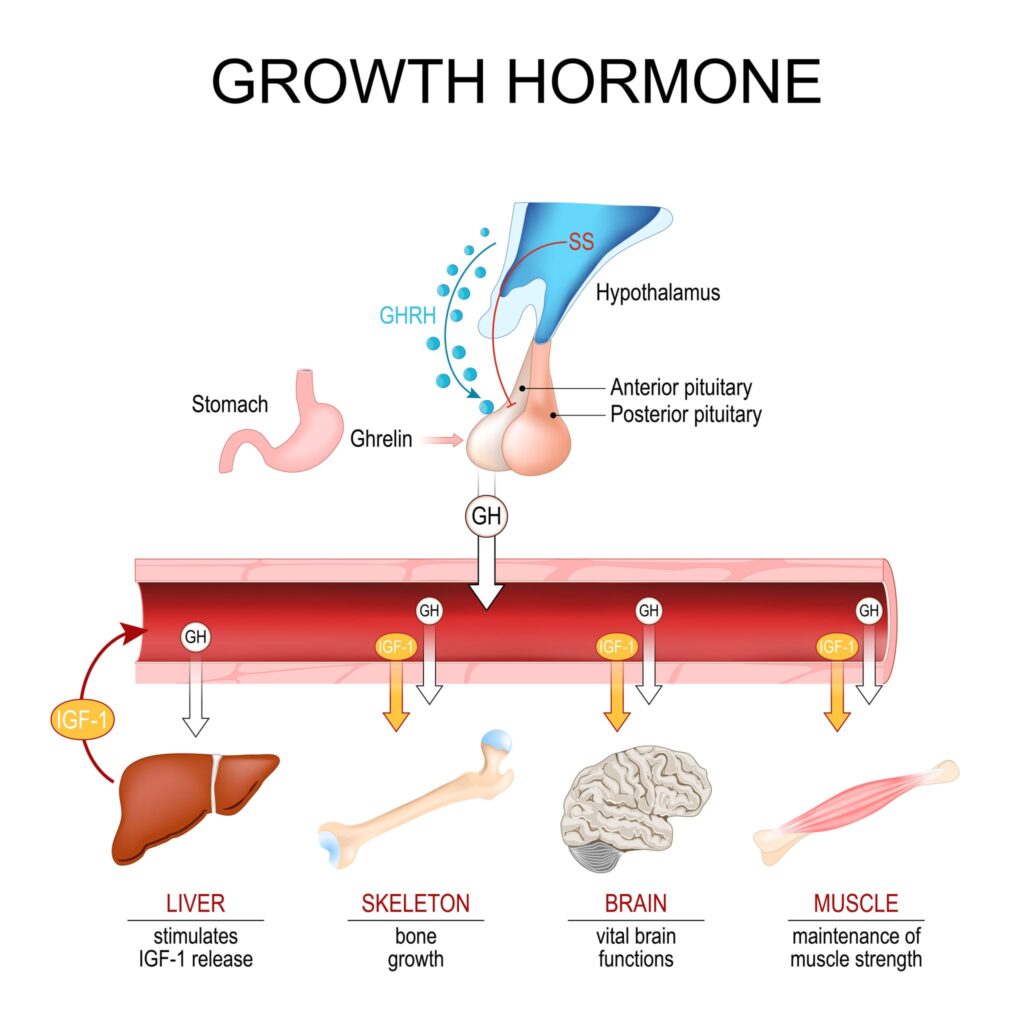
One of the most celebrated roles of these is their involvement in muscle growth and repair. Certain types, such as Growth Hormone-Releasing Peptides (GHRPs), stimulate the release of growth hormone from the pituitary gland. This hormone is crucial for muscle development, as it promotes protein synthesis and encourages muscle hypertrophy. As a result, athletes and bodybuilders often turn to them to enhance their physique and performance.
Moreover, substances like IGF-1 (Insulin-like Growth Factor 1) play a pivotal role in muscle growth by promoting anabolic processes. IGF-1 is known to increase muscle cell proliferation and differentiation, leading to greater muscle mass and strength. The combined effects of these compounds can lead to significant improvements in physical performance, making them an attractive option for fitness enthusiasts.
Peptides in Recovery and Repair
In addition to their role in muscle growth, they are also essential for recovery and the repair of damaged tissues. After intense workouts, the body needs to recover, and these can facilitate this process. For instance, certain ones support the healing of muscle strains and injuries by promoting the repair of muscle tissues and reducing inflammation.
Additionally, substances that promote blood flow can enhance nutrient delivery to damaged muscles, speeding up recovery times. The faster an athlete can recover, the sooner they can return to training, which is critical for ongoing progress and performance enhancement.
Hormonal Functions of Peptides
They also have significant hormonal functions that affect various bodily systems. For example, they can influence appetite regulation, metabolism, and energy expenditure. By affecting hormones related to hunger and satiety, they can help manage body weight and composition, which is especially relevant for those looking to lose fat while preserving muscle mass.
Furthermore, they can impact stress and mood through their effect on neurotransmitters and hormones such as cortisol and serotonin. This interplay underscores their importance in maintaining overall health and fitness.
Commonly Used Peptides in Fitness
Growth Hormone-Releasing Peptides (GHRPs)
GHRPs, such as GHRP-2 and GHRP-6, are popular among athletes and bodybuilders. They are known for their ability to stimulate the release of growth hormone, leading to enhanced muscle growth and fat loss. These substances can be administered via injection and are often used in cycles to maximise their benefits while minimising potential side effects.
One of the advantages of GHRPs is that they do not require the use of growth hormone itself, making them a more accessible option for those looking to improve their physique and performance. However, users should approach these peptides with caution, as improper use can lead to adverse effects, including water retention and insulin sensitivity issues.
Insulin-like Growth Factor (IGF)
IGF-1 is another substance that has gained popularity in the fitness community. It is closely linked to growth hormone and plays a crucial role in muscle growth and repair. IGF-1 promotes muscle cell proliferation and encourages the uptake of amino acids, which are vital for muscle recovery and growth. Athletes often use IGF in conjunction with other growth-promoting substances to maximise muscle gains.
However, the use of IGF-1 is not without risks. Users may experience side effects such as hypoglycemia, joint pain, and increased risk of certain cancers. As such, it is imperative for individuals to understand the potential risks and benefits before incorporating IGF-1 into their fitness routines.
Collagen Peptides
Collagen peptides are derived from collagen, a protein that is a significant component of connective tissues in the body, including tendons, ligaments, and cartilage. These have become popular for their role in joint health and recovery. Athletes often turn to them to support joint function and reduce the risk of injuries.
In addition to joint health, collagen peptides can also assist in skin elasticity and overall skin health. Given that many fitness enthusiasts prioritise not just performance but also aesthetic appeal, the benefits extend beyond physical fitness into cosmetic wellness.
Peptide Research and Developments
Recent Studies on Peptides
The field of research is rapidly evolving, with numerous studies exploring their potential applications in health and fitness. Recent research has demonstrated the effectiveness of certain substances in enhancing muscle recovery and performance, indicating their importance in sports medicine and athletic training.
Moreover, ongoing investigations are focused on understanding the long-term effects of supplementation. As science continues to advance, new substances are being identified and characterised, which may offer additional benefits to athletes and fitness enthusiasts. This ongoing research promises to unveil even more applications in improving health outcomes and athletic performance.
Future Trends in Peptide Research
Looking ahead, the future of research seems promising, with advancements in technology facilitating the development of new therapies and supplements. Researchers are exploring the potential of these in various fields, including anti-aging therapies, weight management, and metabolic health, which could revolutionise how we approach fitness and wellness.
Furthermore, with increased interest in personalized medicine, peptides may play a crucial role in tailored fitness and health programs, allowing individuals to optimize their performance based on their unique physiological profiles.
Quiz: Test Your Knowledge on All Peptides
Quiz Instructions
This quiz is designed to test your knowledge about peptides, their functions, and their benefits in fitness. Each question aims to assess your understanding of the material covered in this article.

Understanding the Mechanism
To better understand how these peptides interact with your body’s signaling pathways, it is helpful to visualize the relationship between the pituitary gland and muscle tissue.
Conclusion
Summary of Key Points
They are vital components of our body’s physiological landscape, playing crucial roles in muscle growth, recovery, and overall health. Understanding their functions and applications can significantly benefit fitness enthusiasts looking to enhance their training outcomes. From GHRPs to collagen, each type offers unique advantages that can be harnessed for improved performance and health.
Encouragement to Explore Peptide Knowledge Further
As the field continues to grow, staying informed about new developments and applications is essential for anyone interested in fitness and health. By taking the time to understand the science behind them, individuals can make more informed choices regarding their training and supplementation strategies, ultimately leading to better results and a healthier lifestyle.
| Resource | Primary Function | Link |
|---|---|---|
| PubMed | Broad index of biomedical literature. | Search PubMed |
| ClinicalTrials.gov | Database of privately and publicly funded clinical studies. | Search Trials |
| PubChem | Chemical structures, properties, and biological activities. | Search Compounds |
| DrugBank | Pharmacological data and drug-target interactions. | Search DrugBank |
| ScienceDirect | Large database of scientific and medical journals. | Explore Journals |
| Google Scholar | Broad search for scholarly literature. | Search Scholar |