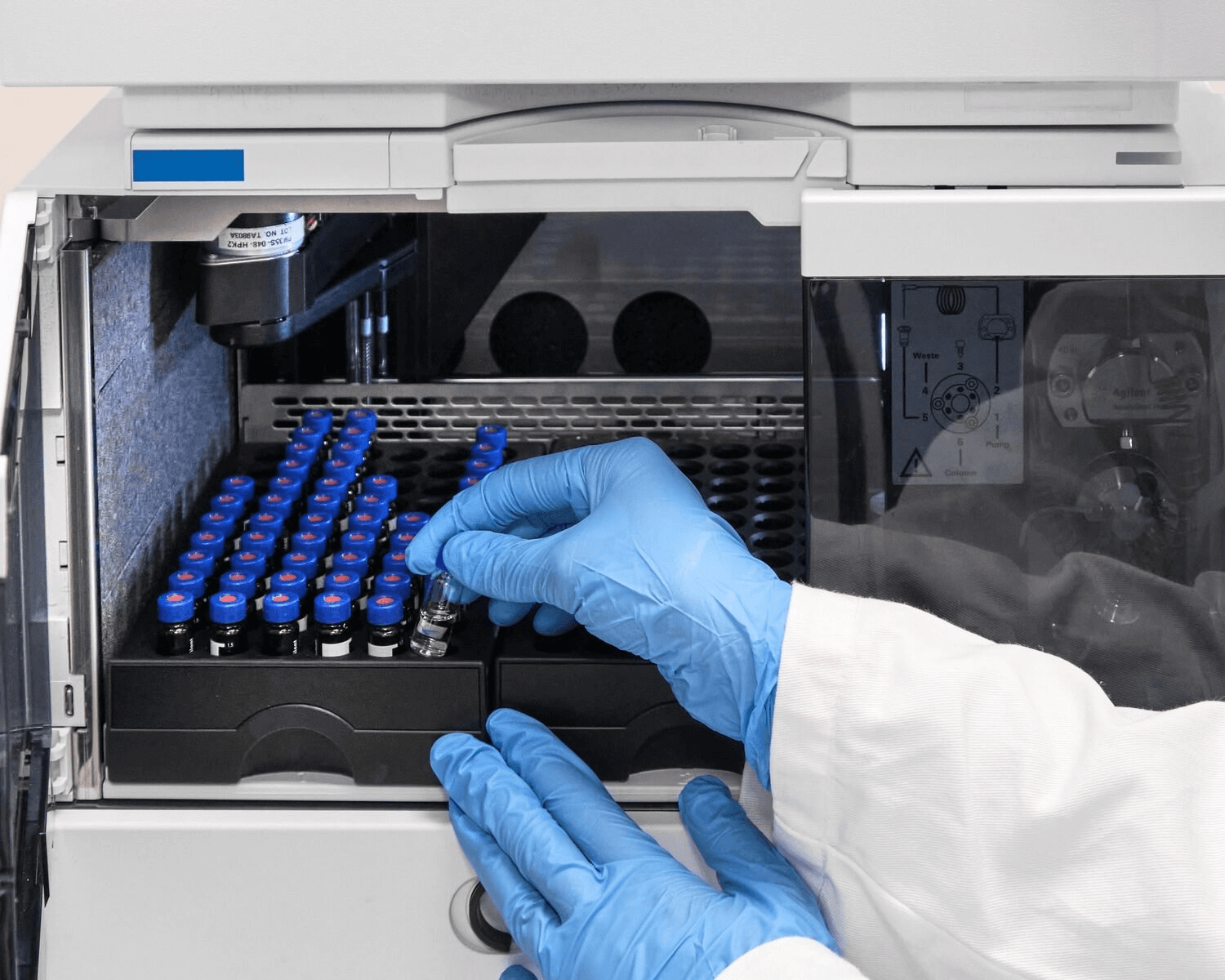

Creating a 3ml peptide pen vial involves precise preparation and sterile techniques. Here’s a general guideline that will help ensure a successful and safe process for creating your own peptide pen vial. First, let’s discuss the importance of understanding the components involved and the steps required to achieve the best outcome. The process can be quite intricate, but with careful attention to detail, anyone can master it.
Understanding the Peptide Pen Vial
To begin with, it’s crucial to gather all necessary materials to use use a peptide injection before starting the process of creating a peptide pen vial. This preparation phase is vital for ensuring that everything runs smoothly and efficiently. It’s recommended to create a checklist of items to have on hand. This will help you avoid last-minute scrambles to find materials, which could introduce contaminants. For example, having a dedicated space where you can organise your materials in an orderly fashion can aid in maintaining a sterile environment while working.
Before diving into the steps, it’s essential to highlight the significance of maintaining a sterile environment. Contamination can lead to serious health risks, including infection. Always ensure that you are working in a clean area, ideally in a dedicated space that has been disinfected. Furthermore, wearing gloves and using alcohol swabs can significantly reduce the chances of introducing unwanted microbes into your solution.
- Gather Materials:
- Peptide powder (lyophilized)
- Sterile bacteriostatic water or saline for reconstitution
- 3ml sterile vial or pen cartridge
- Sterile syringe and needle
- Alcohol swabs
- Gloves
- Calculate Dosage:
- Determine the amount of peptide powder per vial based on desired concentration.
- Reconstitution:
- Use an alcohol swab to clean the vial tops.
- Draw the required amount of sterile bacteriostatic water into the syringe.
- Slowly inject the water into the vial containing the peptide powder to avoid foaming.
- Gently swirl (do not shake) until fully dissolved.
- Transfer to Pen Vial:
- Using a sterile syringe, draw the reconstituted peptide solution.
- Inject into a sterile 3ml pen vial or cartridge. using a breathing needle to encounter pressure!
- Storage:
- Store the pen vial as recommended, usually refrigerated at 2-8°C.
- Avoid freezing or exposure to direct light.
- Usage:
- Follow proper injection protocols with the pen device.
- Always use sterile needles and dispose of them safely.
Note: Always adhere to manufacturer guidelines and consult with a healthcare professional. Sterility is critical to avoid contamination and infections. Understanding the full process and maintaining safety standards will ensure you can create and use your peptide pen vial without complications.
| Resource | Focus Area | Link |
|---|---|---|
| CDC Injection Safety | Comprehensive guidelines on safe injection practices, aseptic technique, and handling vials. | View Guidelines |
| National Harm Reduction Coalition | Practical advice on preparing injections, environment sanitation, and equipment safety. | View Manual |
| WithYou: Subcutaneous Injecting | Best practices specifically for subcutaneous (SC) administration, including site rotation and cleaning. | View Guide |
| International Journal of Pharmaceutical Compounding | Technical standards for immediate-use sterile preparations (best practices for sterility). | View PDF |
In summary, mastering the creation of a peptide pen vial requires careful planning, strict adherence to sterility, and a thorough understanding of the peptides being used. By following these guidelines, you can ensure a successful outcome and make the most out of your peptide treatments.
In conclusion, creating a peptide pen vial is a meticulous process that emphasises the importance of proper technique and sterility. By adhering to these guidelines and being well-informed about the peptides you work with, you can enhance your experience and effectiveness with peptide treatments. Remember, the key to success lies in preparation and continuous learning about new advancements in peptide therapy.