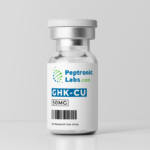

Understanding GHK-cu and Its Mechanisms
As we delve deeper into the science of GHK-cu, it’s essential to consider its mechanisms of action. It interacts with various cellular receptors, influencing gene expression and cellular activity. This interaction facilitates the repair of damaged tissues, enhances cellular communication, and boosts metabolic processes. Understanding these mechanisms provides insight into how this peptide can be harnessed for therapeutic purposes.
In addition to the aforementioned benefits, GHK-cu has shown potential in areas such as dental health. Preliminary studies have suggested that it can aid in the regeneration of oral tissues, making it a candidate for treating periodontal diseases. The peptide’s influence on tissue regeneration and healing could revolutionise approaches to dental care.
Moreover, the safety profile of this peptide is noteworthy. Unlike many synthetic drugs that may carry significant side effects, it is naturally occurring in the human body, which greatly reduces the likelihood of adverse reactions. This characteristic makes it an appealing option for various applications, from cosmetic treatments to medical therapies.
It’s also worth noting the increasing interest in this peptide among athletes and fitness enthusiasts. The potential for accelerated recovery from exercise-induced injuries and improved muscle repair is gaining traction, posing exciting possibilities for enhancing athletic performance. Athletes are exploring supplements as a means to reduce downtime and improve overall physical resilience.
In summary, GHK-cu is not just a fleeting trend in the world of research; it’s a compound with robust scientific backing and a wide array of potential benefits. The ongoing exploration of this peptide in various fields may lead to significant therapeutic developments that could improve quality of life across different demographics.
In this video blog, we explore the implications of GHK-cu in scientific research. This copper peptide has gained significant attention in recent years for its potential benefits in various fields, including dermatology, wound healing, and overall health enhancement.
Firstly, let’s discuss the role of this peptide in skin health. Research has indicated that it can stimulate the production of collagen and elastin, two essential proteins for maintaining skin elasticity and firmness. Studies have shown that when applied topically, it can significantly improve skin appearance, reducing wrinkles and fine lines. For instance, a study published in the journal ‘Science Translational Medicine’ found that participants who used GHK-cu-enriched creams experienced noticeable improvements in skin texture within just a few weeks.
Moreover, GHK-cu plays a crucial role in wound healing. Its ability to promote angiogenesis, the formation of new blood vessels, facilitates quicker recovery from injuries. This has been particularly beneficial in clinical settings where patients with chronic wounds or post-surgical patients require rapid healing. One clinical trial reported that patients treated with it saw a 50% reduction in healing time compared to those who received standard care.
Additionally, there are compelling findings regarding this peptide’s impact on hair growth. Research indicates that it can stimulate hair follicles and promote hair regrowth in individuals experiencing hair loss. A notable study involving participants with androgenetic alopecia demonstrated that GHK-cu significantly increased hair count and thickness after a 12-week treatment period.
Furthermore, GHK-cu’s potential extends to its anti-inflammatory properties. Inflammation is a common factor in many chronic diseases, and this peptide has shown promise in modulating inflammatory responses. This can be particularly relevant for individuals suffering from conditions such as arthritis or psoriasis, where inflammation plays a critical role in disease progression.
In the realm of overall health, GHK-cu has been linked to cognitive benefits as well. Emerging research suggests that this peptide may have neuroprotective effects, potentially aiding in the prevention of neurodegenerative diseases. For instance, studies have indicated that GHK-cu can enhance cognitive function and memory, making it a fascinating area for future research.
In conclusion, GHK-cu is a multifaceted peptide with a range of applications in scientific research and potential therapeutic benefits. Its role in skin health, wound healing, hair regrowth, inflammation modulation, and cognitive enhancement positions it as a promising candidate for further studies. As research continues to unfold, the implications of GHK-cu could lead to groundbreaking advancements in health and medicine.
Supporting literature: GHK-Cu genetic pathway modulation PubMed Copper peptide tissue repair PubMed GHK-Cu antioxidant research PubMed
GHK-cu: The Science Explained
Explore the science behind GHK-cu, a naturally occurring copper peptide. Discover its therapeutic benefits for skin health, tissue regeneration, wound healing, and cognitive enhancement based on current research.