
Introduction
In recent years, GHK-cu peptides have garnered significant attention in dermatology, regenerative medicine, and anti-aging research. This peptide complex, known for its multi-faceted biological properties, has been studied for its potential therapeutic benefits. Understanding GHK-cu is essential for both health enthusiasts and healthcare professionals, as its applications continue to evolve.
This article delves into the fundamental aspects of the peptide complex, its benefits, mechanisms of action, and applications in health and medicine. Additionally, we will provide a quiz to test your knowledge about this intriguing compound, ensuring that you leave with a deeper understanding of its potential impact on health and wellness.
Section 1: The Basics of GHK-Cu
What is GHK-Cu?
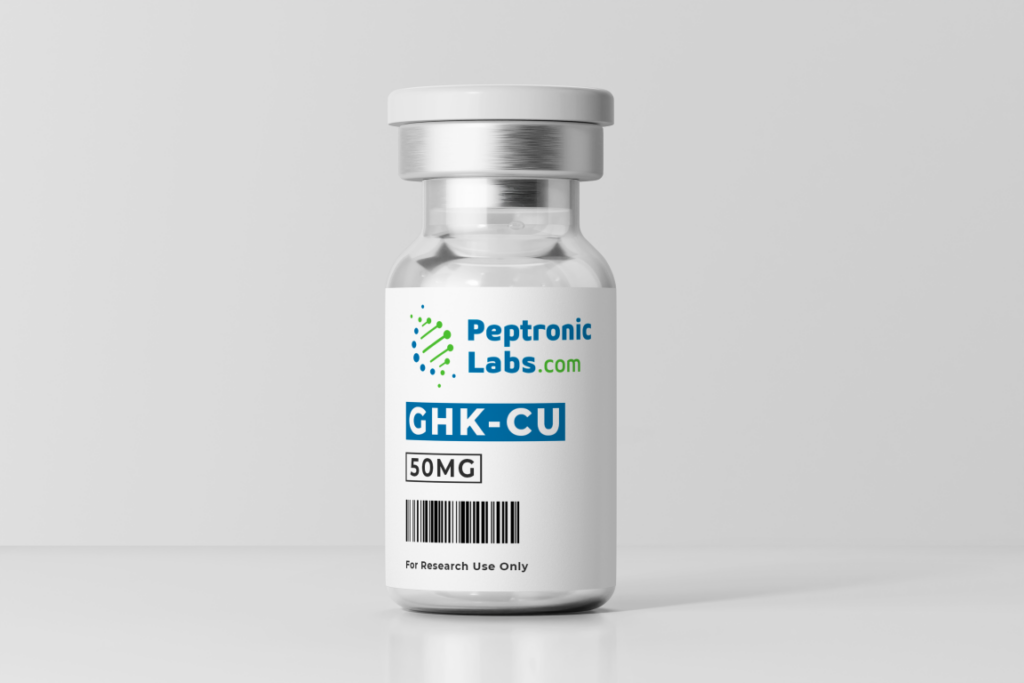
GHK-cu, or Glycyl-L-Histidyl-L-Lysine Copper, is a naturally occurring peptide found in human plasma. The structure consists of three amino acids: glycyl, histidyl, and lysyl, combined with a copper ion. This complex plays a vital role in various physiological processes, including tissue repair, wound healing, and inflammation reduction. GHK-cu is known for its ability to penetrate skin layers effectively, making it an attractive ingredient in skin care products.
Historical Background
Discovered in the early 1970s, the peptide benefits have been the subject of numerous studies that highlight its various biological effects. Initially noted for its ability to accelerate wound healing, subsequent research revealed its broader anti-aging and regenerative properties. The peptide’s interaction with copper is critical, as copper is an essential trace element required for numerous enzymatic processes in the body. Over the decades, scientists have explored the therapeutic potential of this peptide in cosmetic formulations, as well as in treatments for chronic conditions.
Section 2: Benefits
Skin Health and Anti-Aging
One of the most well-documented benefits of GHK-cu is its positive impact on skin health. Research has demonstrated that this peptide can promote collagen synthesis, leading to increased skin elasticity and a reduction in the appearance of fine lines and wrinkles. The anti-aging properties stem from its ability to enhance cellular communication, effectively signalling the skin to repair and regenerate.
Furthermore, GHK-cu stimulates the production of glycosaminoglycans, which are crucial for maintaining skin hydration and structural integrity. By improving skin moisture levels, the peptide not only contributes to a more youthful appearance but also enhances overall skin health, making it a popular ingredient in serums and moisturisers.
Wound Healing Properties
In addition to its cosmetic benefits, the peptide has been extensively studied for its role in wound healing. The peptide demonstrates the ability to accelerate healing processes by promoting angiogenesis and stimulating fibroblast proliferation. This accelerates tissue repair and regeneration, making it an effective option for treating chronic wounds and burns.
Studies have shown that the peptide enhances the remodeling phase of wound healing, reducing scarring and improving the overall quality of the healed tissue. Its capacity to modulate inflammation and promote cell migration further underscores its potential therapeutic applications in clinical settings.
Anti-Inflammatory Effects
Another crucial benefit of the peptide is its anti-inflammatory properties. Inflammation plays a significant role in various skin conditions, including acne, rosacea, and psoriasis. The peptide acts to reduce the production of pro-inflammatory cytokines, thereby alleviating inflammation and promoting a healthier skin environment.
This anti-inflammatory action not only improves skin conditions but also supports overall health by reducing chronic inflammation associated with many diseases. By modulating the inflammatory response, the peptide may contribute to the prevention of age-related diseases and improve quality of life.
Section 3: Mechanisms of Action
Cellular Mechanisms
GHK-cu exerts its effects at the cellular level, influencing various pathways involved in tissue repair and regeneration. The peptide interacts with cell surface receptors, initiating signalling cascades that promote cell proliferation and migration. This is particularly important in the context of wound healing, where rapid cellular response is crucial for effective repair.
Moreover, the peptide enhances the production of growth factors such as fibroblast growth factor and vascular endothelial growth factor. These factors play essential roles in cell proliferation, differentiation, and the development of new blood vessels, thus further supporting the healing process.
Gene Regulation
One of the remarkable aspects of the peptide is its ability to regulate gene expression. Research has shown that it can upregulate genes involved in tissue repair and downregulate those associated with inflammation and oxidative stress. This dual action highlights the peptide’s capacity to create a balanced healing environment, promoting regeneration while minimising destructive processes.
Through its gene-regulating effects, the peptide not only aids in immediate wound healing but also contributes to long-term skin health and longevity, reinforcing its status as a valuable therapeutic agent.
The presence of copper in the peptide is integral to its function. Copper is a critical cofactor for enzymes involved in collagen synthesis and antioxidant defence mechanisms. The peptide facilitates the delivery of copper to cells, enhancing its bioavailability and promoting essential biochemical reactions.
This interaction emphasises the importance of the peptide as a bioactive compound that harnesses the benefits of copper while mitigating its potential toxicity. The controlled release of copper ions, alongside the peptide’s regenerative properties, amplifies its therapeutic potential across various applications.
This interaction emphasises the importance of GHK-cu as a bioactive compound that harnesses the benefits of copper while mitigating its potential toxicity. The controlled release of copper ions, alongside the peptide’s regenerative properties, amplifies its therapeutic potential across various applications.
Section 4: Applications in Health and Medicine
Cosmetic Applications
Due to its impressive skin health benefits, the peptide is widely utilised in the cosmetic industry. It is a common ingredient in anti-aging creams, serums, and topical treatments aimed at improving skin texture and reducing visible signs of aging. Many formulations capitalise on the peptide’s ability to stimulate collagen production, enhance skin elasticity, and promote a youthful glow.
Furthermore, the peptide’s wound healing abilities make it a suitable candidate for products targeting post-surgical scars or other skin imperfections. Its multifaceted benefits position the peptide as a highly sought-after ingredient among formulators and consumers alike, leading to a growing market presence.
Therapeutic Uses
Beyond cosmetics, the peptide has shown promise in therapeutic contexts, particularly for chronic wounds and inflammatory conditions. Its ability to promote healing and reduce inflammation makes it a potential treatment option for patients suffering from conditions such as diabetic ulcers, pressure sores, and burn injuries.
Ongoing research aims to explore the peptide’s efficacy in various medical applications, including its potential role in regenerative medicine and as a novel treatment for age-related diseases. Clinical trials and studies are essential to fully understand its capabilities and establish standardised protocols for its use.
Potential Future Research Directions
The future of GHK-cu research appears promising, with numerous avenues for exploration. Scientists may investigate its effects not only in dermatology but also in fields such as neurology and oncology, where cellular regeneration and inflammation play critical roles. Understanding the peptide’s mechanisms of action could unveil new therapeutic targets for various diseases.
Additionally, further studies could enhance the formulation strategies of the peptide, optimising its delivery methods and improving bioavailability. As the body of evidence surrounding the peptide grows, we may see its integration into more comprehensive treatment protocols and innovative health solutions.
Section 5: Quiz: Test Your Knowledge

The peptide complex is exceptional and holds significant potential in both cosmetic and therapeutic applications. With its multifaceted benefits, including skin health enhancement, wound healing properties, and anti-inflammatory effects, it represents a promising avenue for ongoing research and product development.
As we continue to unlock the secrets of this remarkable compound, healthcare professionals and health enthusiasts alike must stay informed about its evolving applications. By enhancing our understanding of the peptide, we pave the way for innovative treatments that could transform the landscape of health and wellness.
Fibroblast Proliferation: Studying the peptide’s ability to stimulate collagen and elastin synthesis in skin cell models. Supporting literature: Collagen synthesis and fibroblast activity PubMed
Wound Healing: Investigating the acceleration of tissue repair and anti-inflammatory properties in cellular research. Supporting literature: GHK-Cu and wound repair PubMed
Neuropeptide Signaling: Examining the potential influence on neuroprotective mechanisms. Supporting literature: Copper peptides and neuroprotection PubMed